Valley View Elementary Microgrid
Toppenish, WA · Toppenish School District · Operational Q3 2026
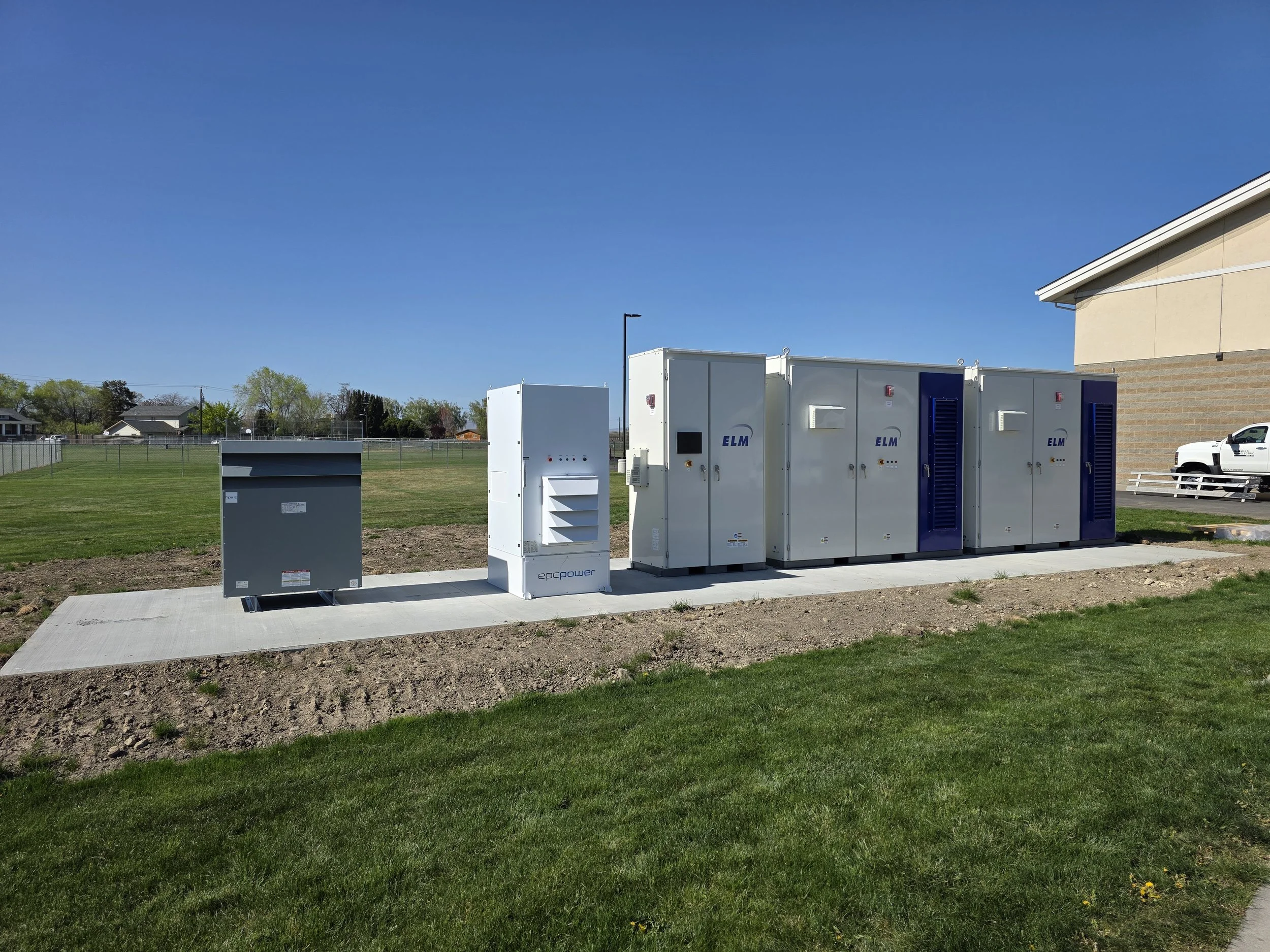
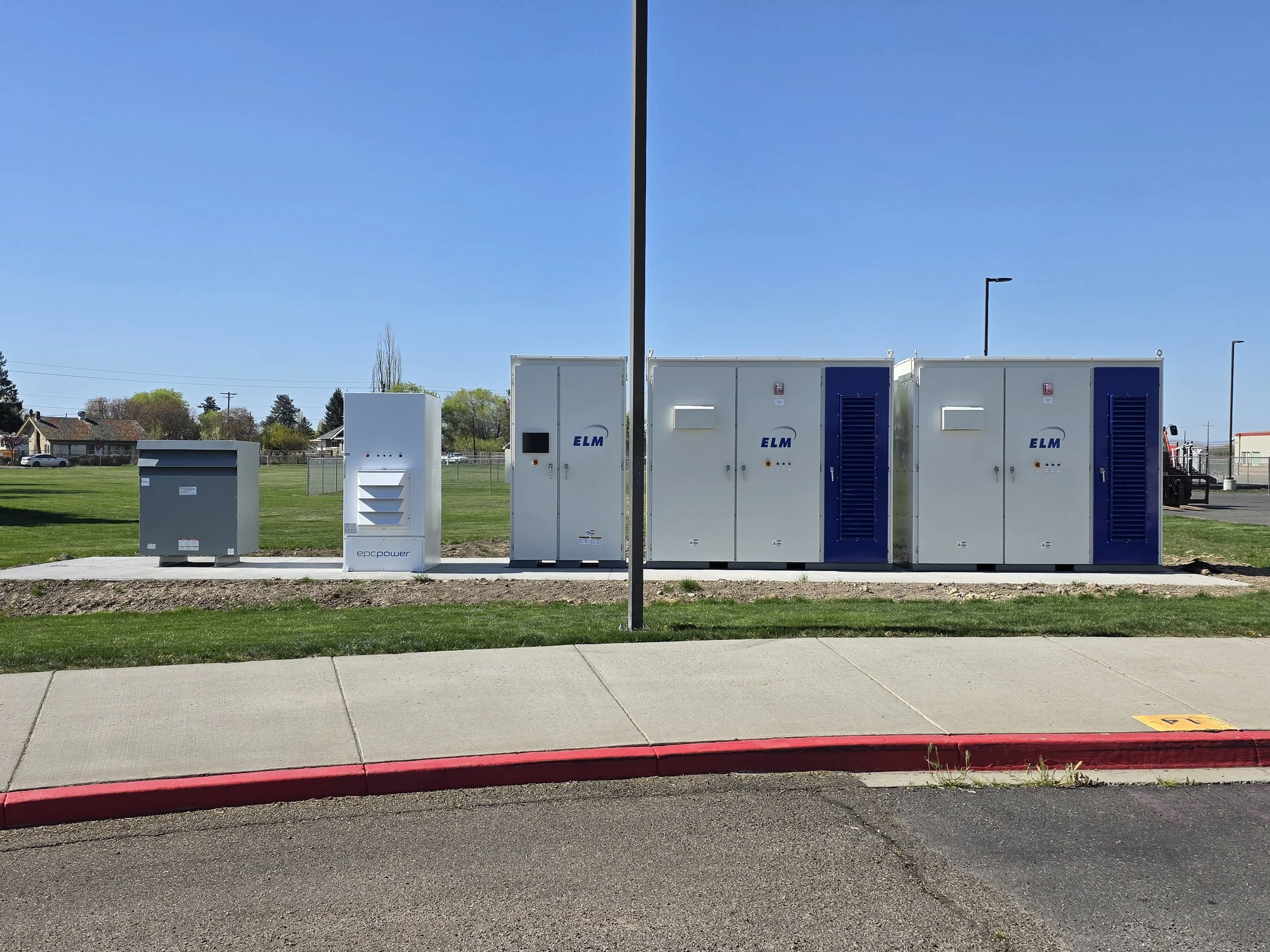
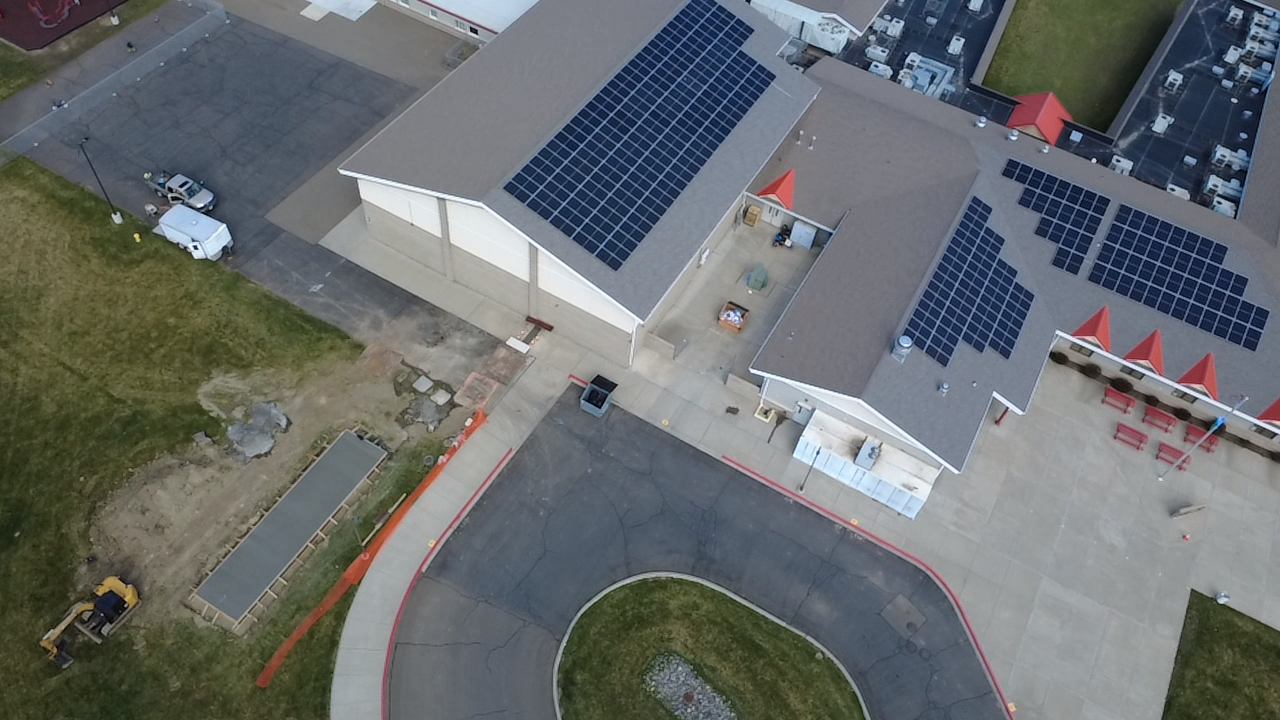
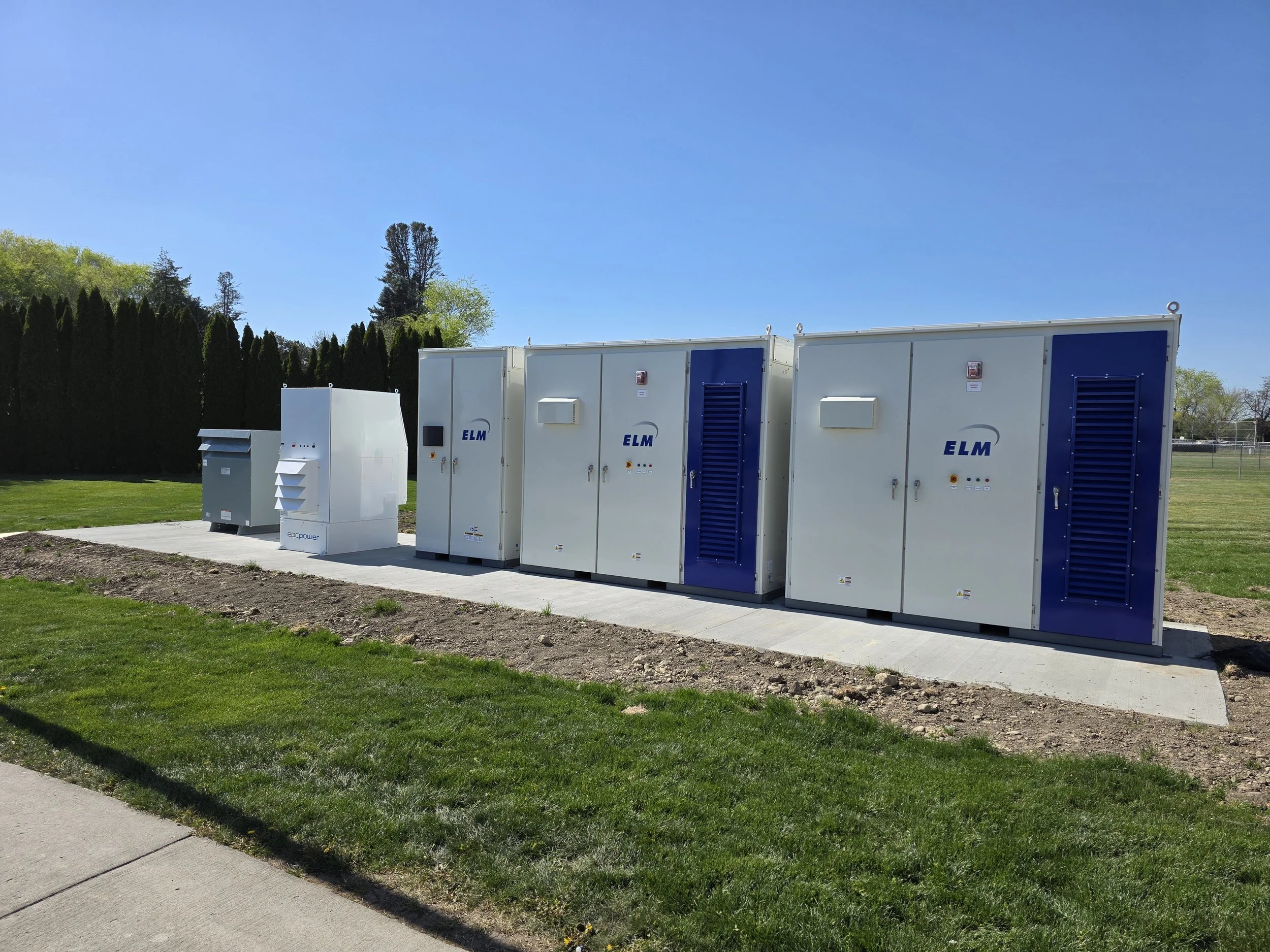
128 kW solar · 1,376 kWh storage · whole-site backup
Purpose & History
Valley View is the district's largest elementary school, home to 450 students, and sits centrally in Toppenish. It has served the wider community before: during the pandemic, it was a food distribution site and a vaccine clinic. In the summer of 2024, the area lost power roughly half a dozen times to wildfire-related shutdowns. The microgrid keeps lighting, communications, and essential equipment running through an outage so the school can operate as an emergency shelter and service point. It also lowers the district's electricity costs and brings the building's energy use below the 45 EUI threshold set by the Washington Clean Buildings Act.
The project began with a failed Commerce grant application in spring 2023. Commerce referred the district to its Energy Resilience Technical Assistance Program, which funded a feasibility study led by Säzän Group, with Spark Northwest on community engagement and MZ Solar Consulting on constructability. Completed in June 2024, the study recommended a solar and battery storage microgrid at Valley View. The district secured its clean energy grant later that year.
Sulis’ Role & Project Challenges
Sulis Energy delivered the solar and battery storage system as the design-build contractor, holding design coordination, procurement, and construction delivery. Mills Electric, Sulis's sister company, carried the electrical and battery storage installation scope with their dedicated Sulis crews. Northwest Renewables handled the PV scope. Cascadia Renewables provided technical design and coordination. Sulis served as the commissioning agent for the system as a whole, managing subcontractors accountable for their own sub-systems.
Backing up the whole school meant intercepting the existing 1,600 A main distribution panel with a motorized microgrid isolation breaker rather than islanding a subpanel, with an SEL-751 relay handling anti-islanding, fault detection, and grid protection. At that scale, the interconnection exceeded the 120 percent busbar allowance, so it was designed under the engineering-supervision path in NEC 705.12(B)(6) instead. Both that path and the island-capacity requirement had to be evidenced with real load data rather than assumptions, so Sulis ran a meter study across twelve months of the school's utility billing to establish actual peak demand and usage. Peak demand came in at 207 kW in August, comfortably inside what the battery can carry, and the final design was set against that record. Access to a working school also limited construction to the windows the academic calendar allows, and the sequence inside them was fixed: roof replacement, then array, then battery.