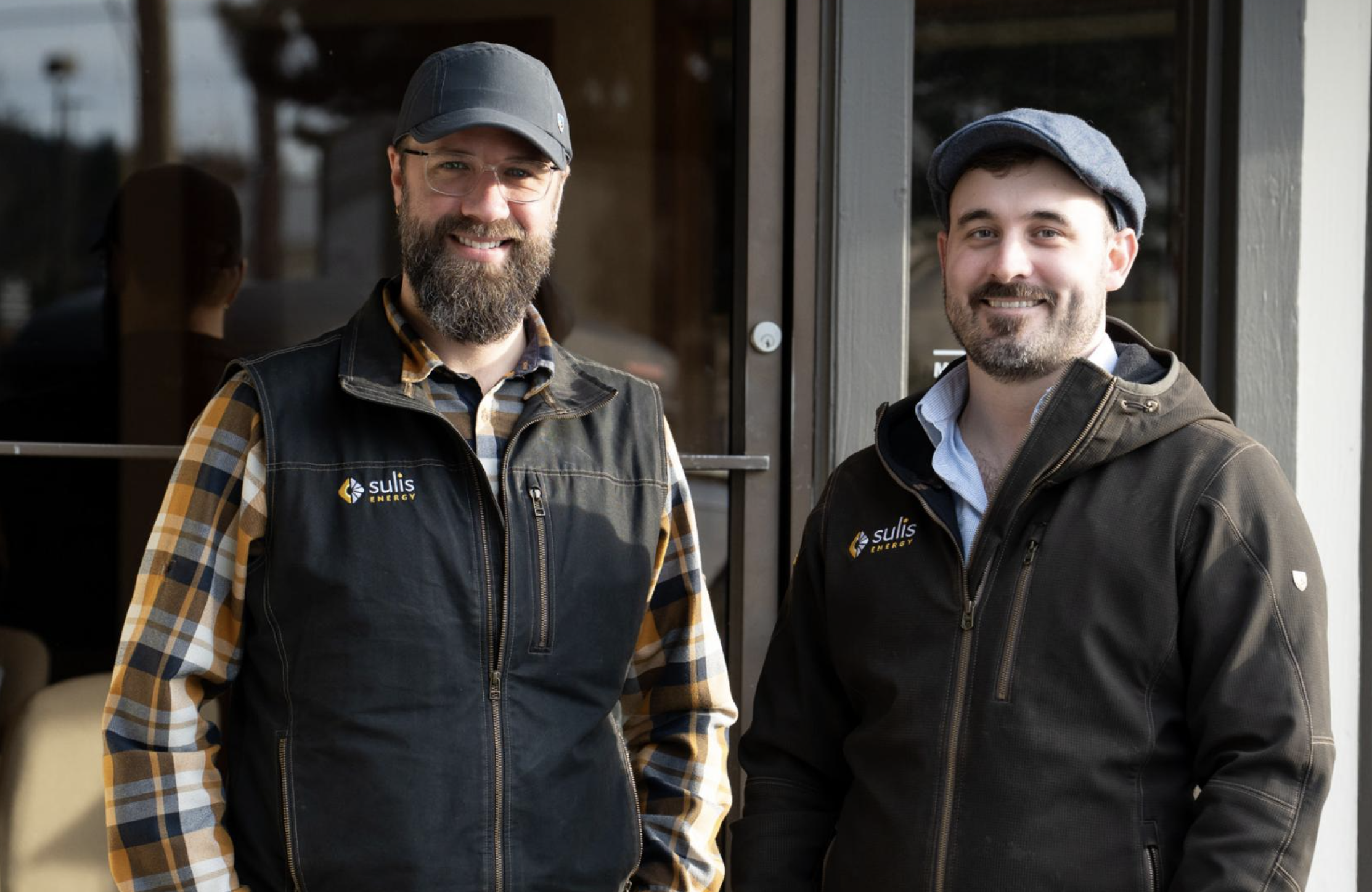
Sulis Energy works in the “Missing Middle”; industrial-scale distributed energy resources.
Local Energy Infrastructure
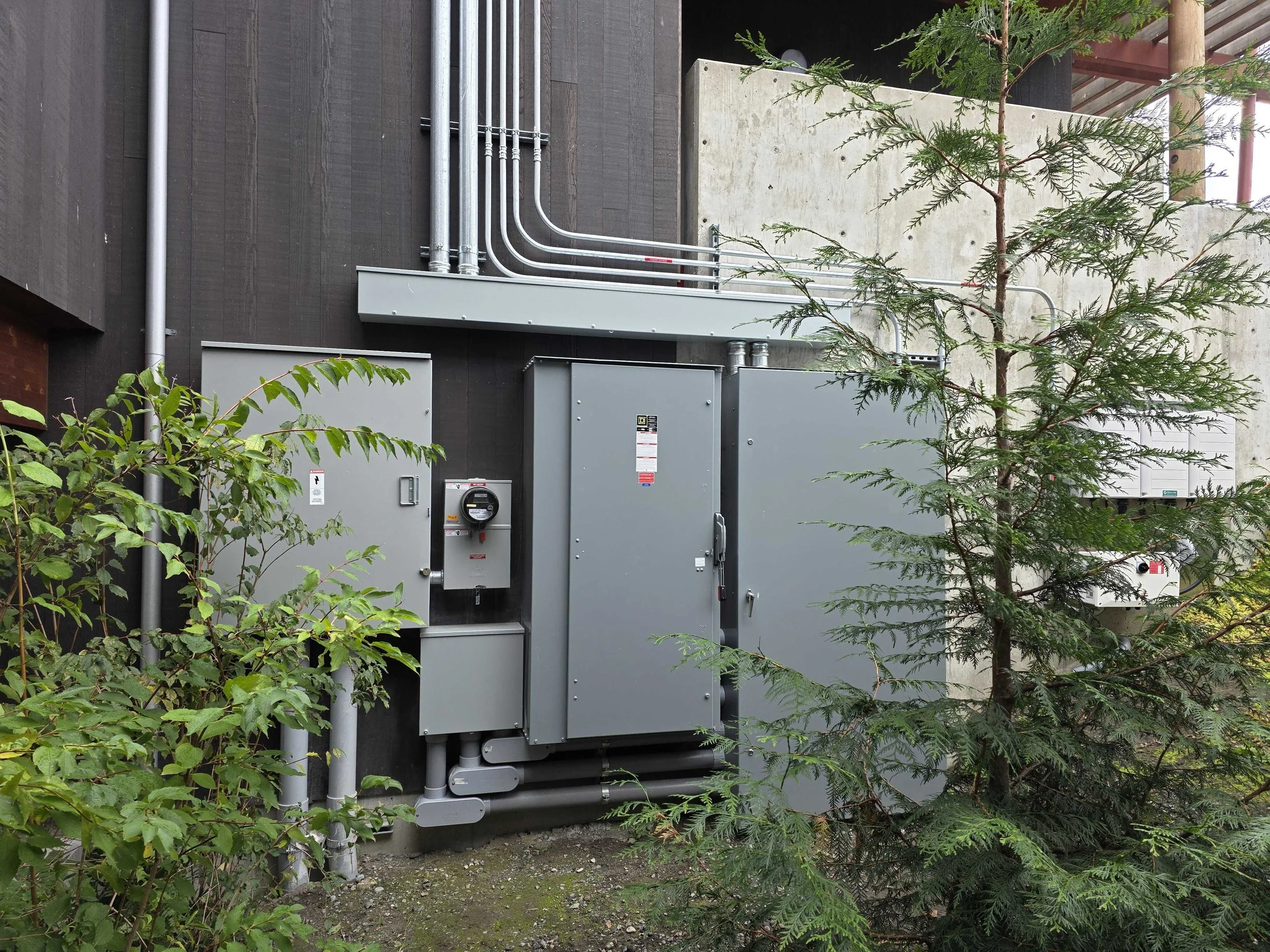
Tribe & Local Governments
Reliable power at public facilities is essential to keep community services running without interruption. In emergencies, the ability to operate through extended outages can save lives. Our typical projects address:
Facilities that impact community outcomes when they go offline: police and fire stations, hospitals and clinics, schools and government buildings
Emergency shelters that must stay open for a multi-day outage, not just ride through a momentary interruption
Portfolios of buildings, where each microgrid is a node in a connected community resilience network
Sulis Energy designs and builds microgrids for a single facility or a multi-node network.
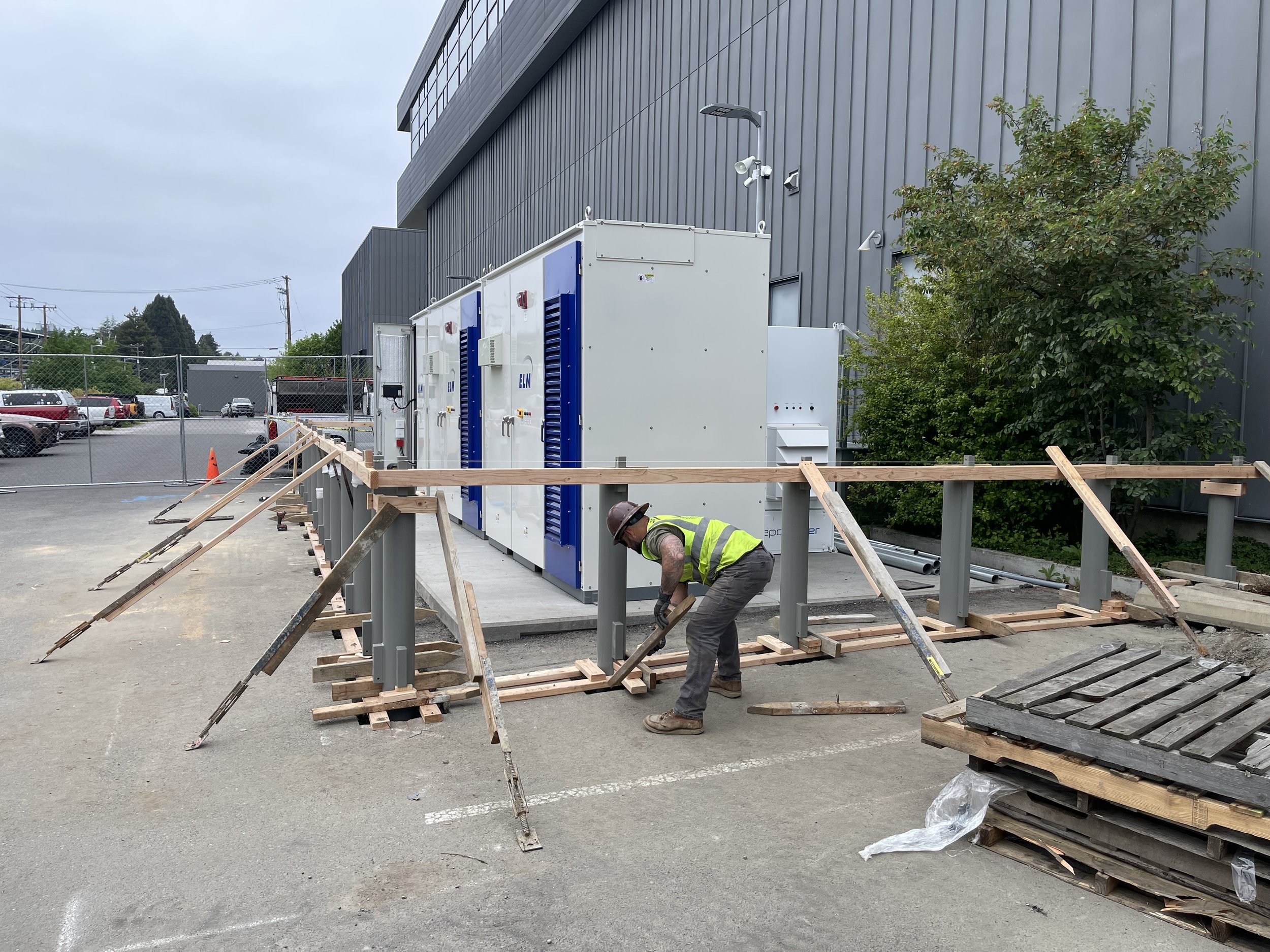
Commercial & Industrial
Commercial and industrial sites face a variety of energy and power problems that can raise costs and disrupt operations. Common issues we see include:
Demand charges set by short peaks driving excessive electricity bills
Time-of-use rates that penalize consumption in the hours the site has to run
Frequency and voltage drifting outside equipment tolerance
Sensitive process loads with a high value of lost load, where one sag or drop in service costs more than a year of utility spend
Sulis Energy identifies the technical and economic opportunity, then designs and builds the solar, storage, and generation to address it.
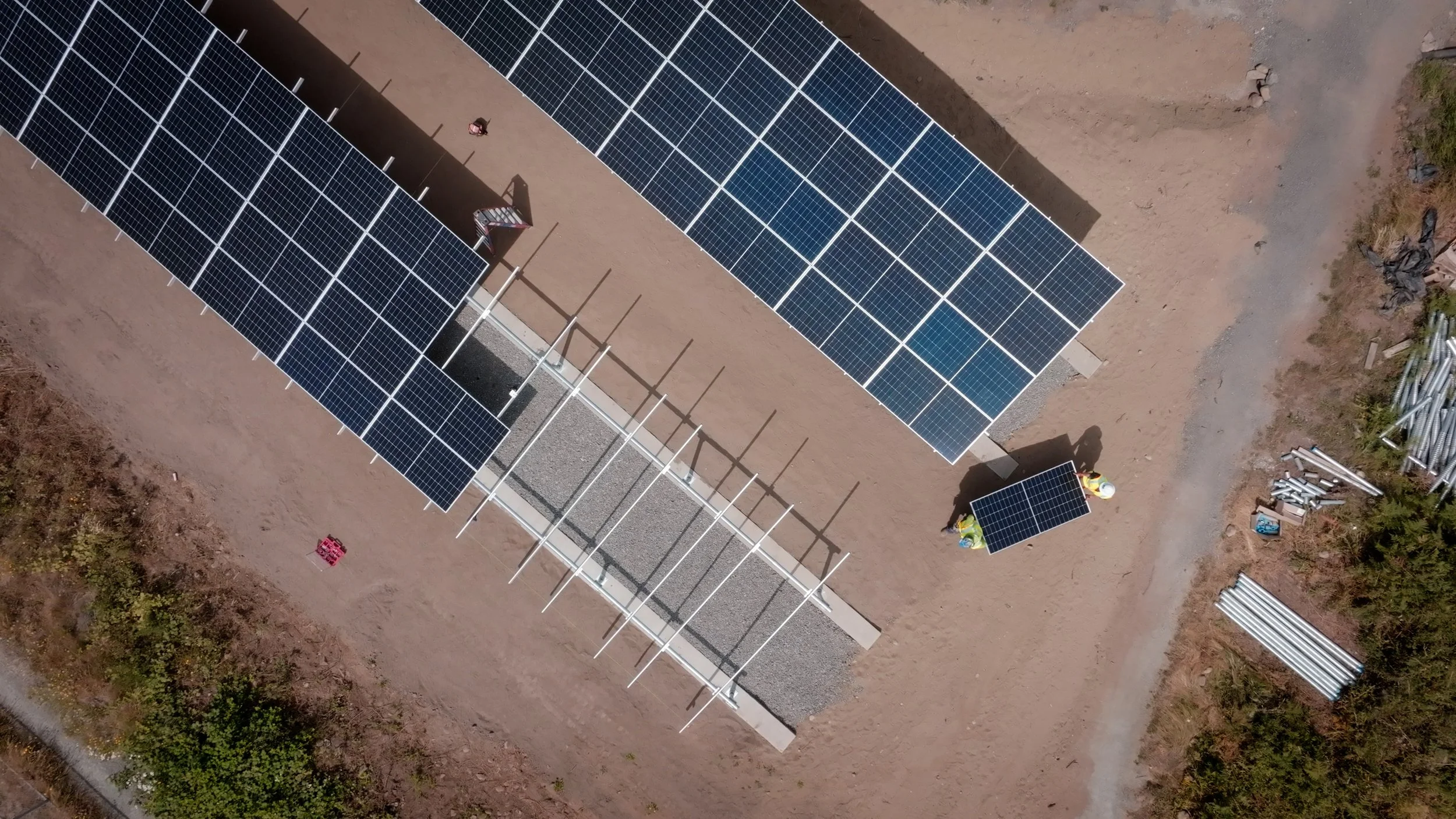
Utilities
Utilities must ensure affordable, reliable access to power across an increasingly strained distribution grid. Non-wire Alternatives (NWAs) can help address several key issues:
Improving SAIFI and SAIDI scores, particularly on long radial feeders
CAIDI and restoration times, especially after a Major Event Day or during Public Safety Power Shutoff events
Distribution upgrade deferral on feeders operating at or near capacity
Addressing fast-arising resource adequacy concerns with dispatchable capacity and distributed generation
Sulis Energy works with investor- and consumer-owned utilities to support procurement and construction of NWAs
Grounded. Technology Neutral.
Our Approach
Phase 1
Alignment & Validation
Identify objectives, constraints, and critical decision points
Verify the information the design will rest on
Build a rough order-of-magnitude budget and timeline
Identify long-lead equipment, interconnection, and permitting dependencies early
Phase 2
Analysis & Preliminary Engineering
Gather the data that governs the design: load behavior, feeder profiles, existing equipment condition
Set sizing, operating strategy, and layout
Review constructability before the design advances
Refine budget against a real design
Go/no-go point, and a natural place to break scope: an owner can stop here, or take the package to bid
Phase 3
Final Engineering, Permitting & Utilities
Design progresses to a coordinated construction set, reviewed against the applicable codes and standards
Permitting and interconnection run in parallel
The AHJ, fire marshal, and utility are engaged before submittal
Phase 4
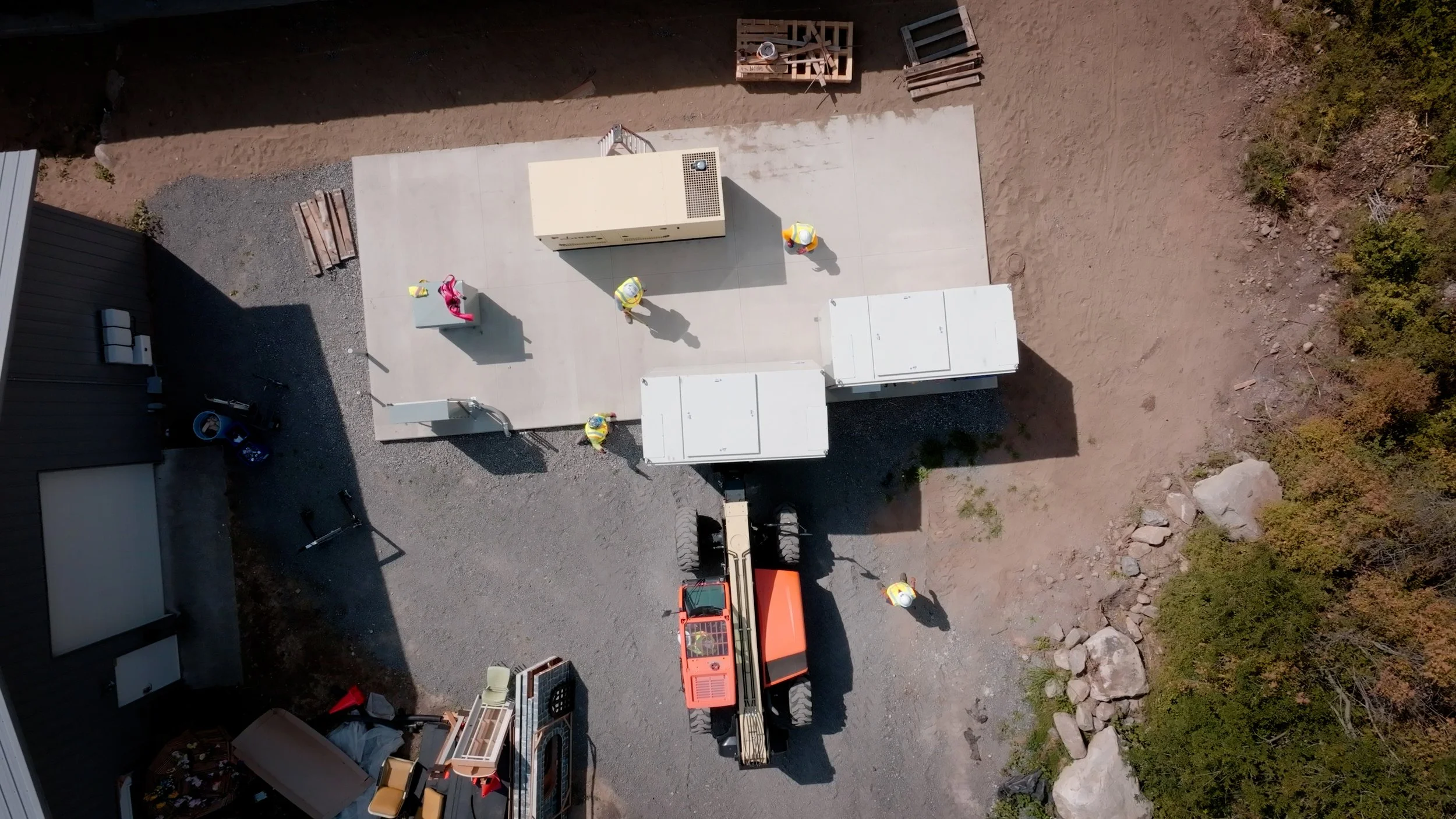
Procurement, Construction & Install
Equipment is bought against the final set
Subcontractors are prequalified and contracted
Field work is sequenced across disciplines
A Sulis superintendent holds safety and QA/QC on site
Phase 5
Commissioning, Training & Handoff
The system is started, tested, and witnessed with the utility
O&M documentation and a closeout package provided with system turnover
Phase 6
Service & Long Term Support
A commissioned system is the start of an operating asset, not the end of a job
Sulis carries a workmanship warranty, registers, and passes through every manufacturer warranty
Long-term service and O&M agreements are provided to keep the system optimized, maintained, and performing for its full life
Reach Out
Reach out with early-stage questions, an energy problem you need help solving, or a procurement opportunity you would like us to bid on. We can help you at any step of your project.