Swinomish Police Station & Dental Clinic Microgrids
La Conner, WA · Swinomish Indian Tribal Community · Operational Q3 2026
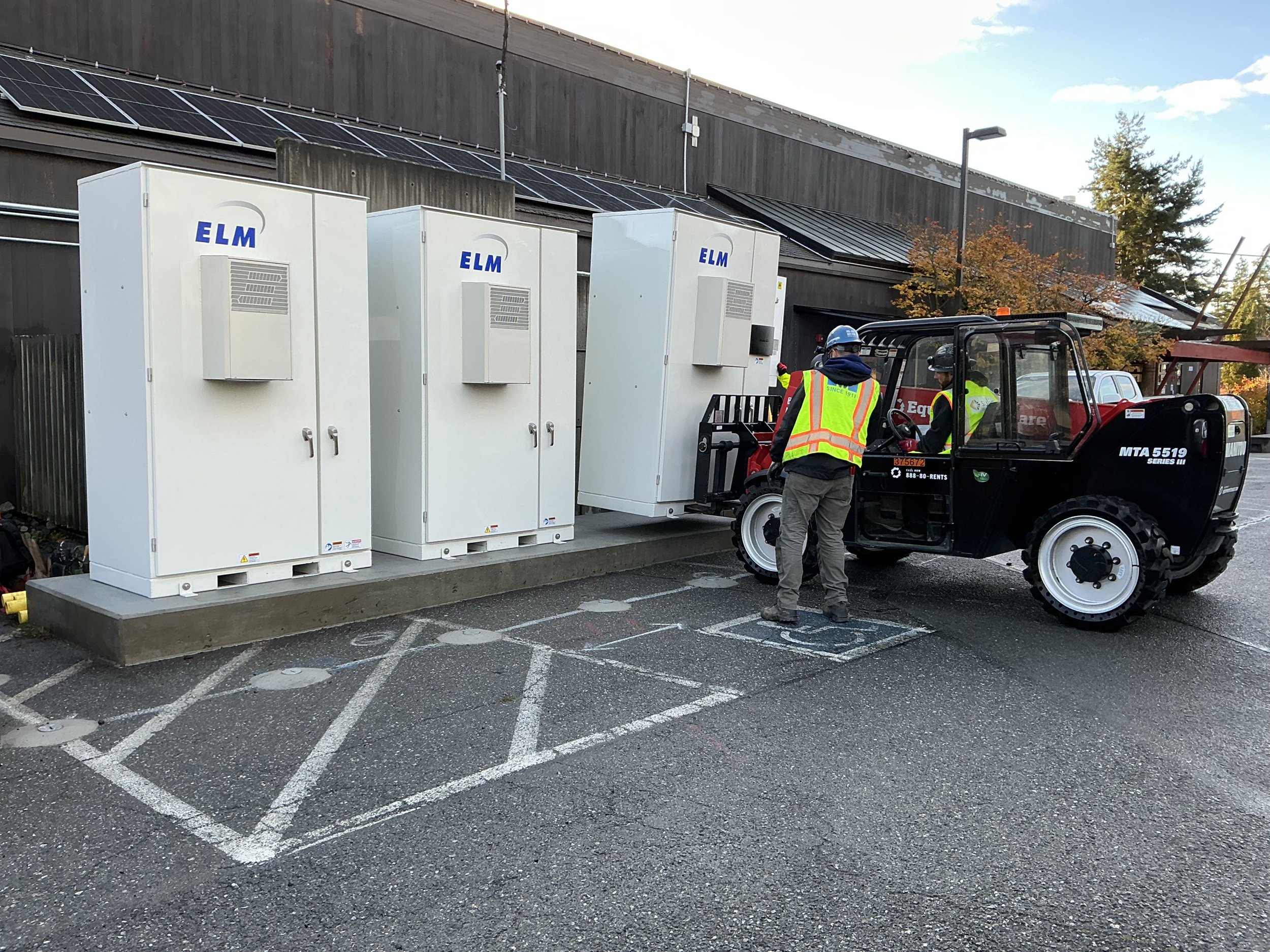
Police Station: 46.6 kW solar · 125 kW / 660 kWh battery storage · generator integration
Dental Clinic: 42.4 kW solar · 125 kW / 660 kWh battery storage
Purpose
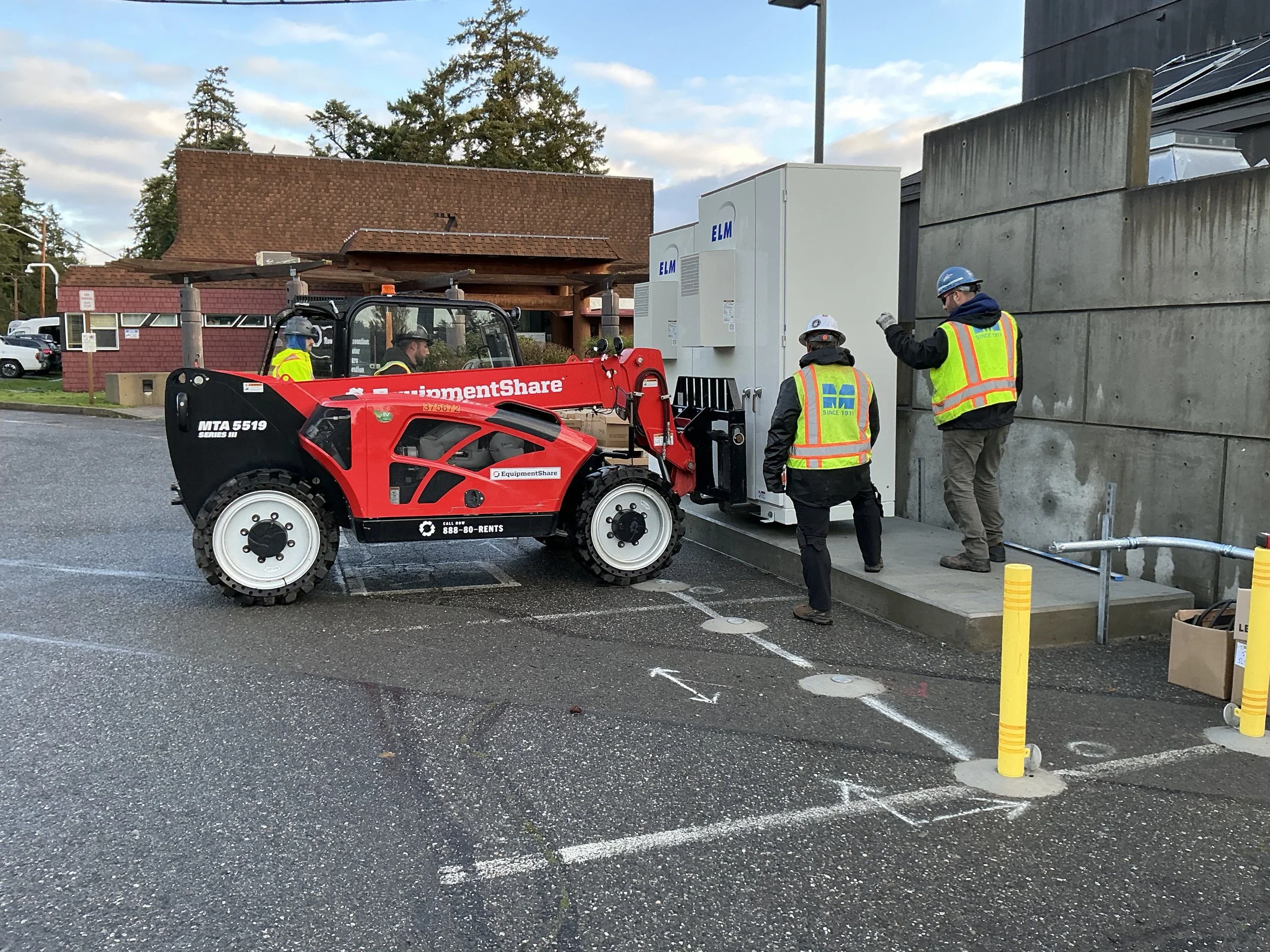
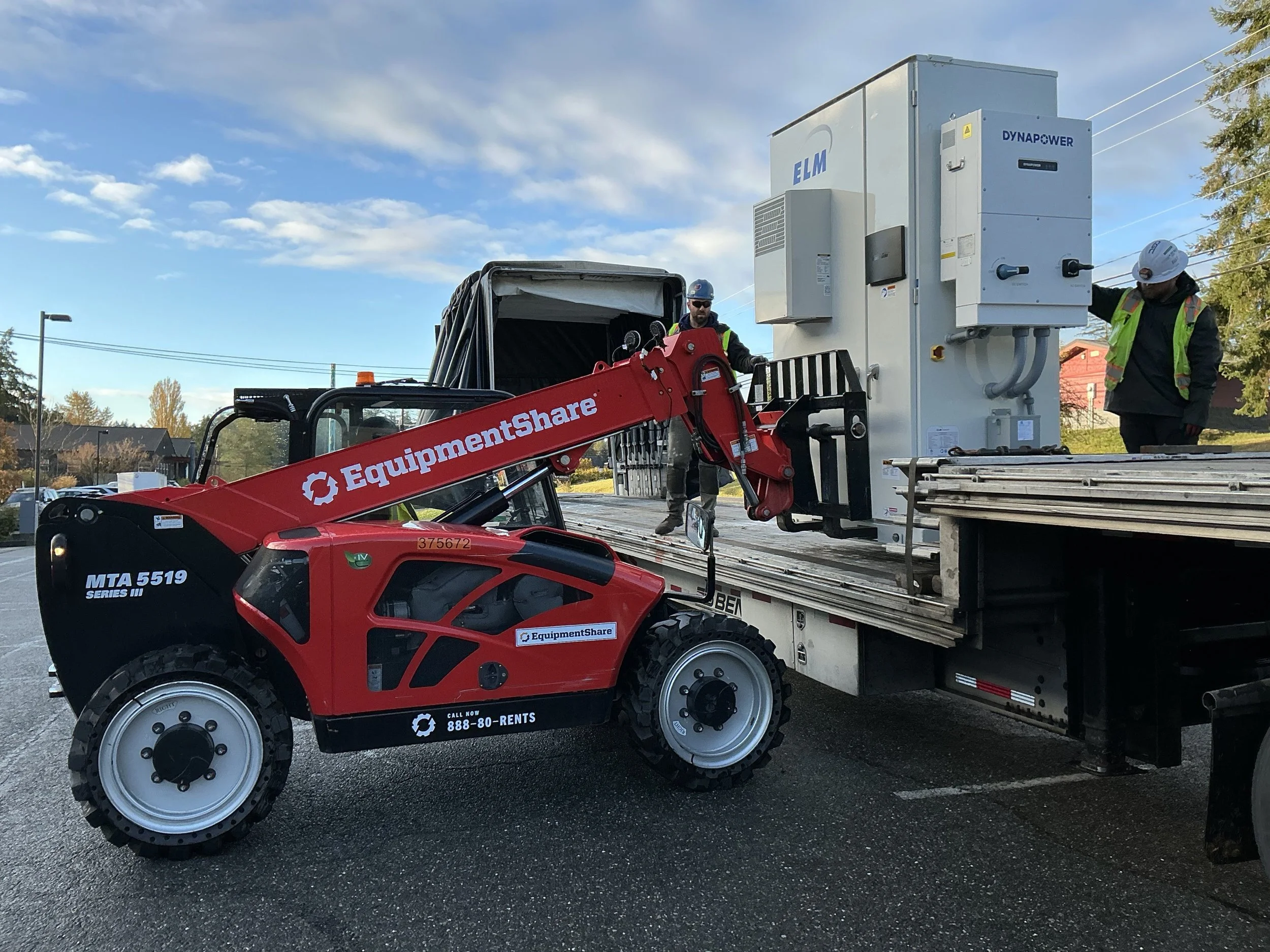
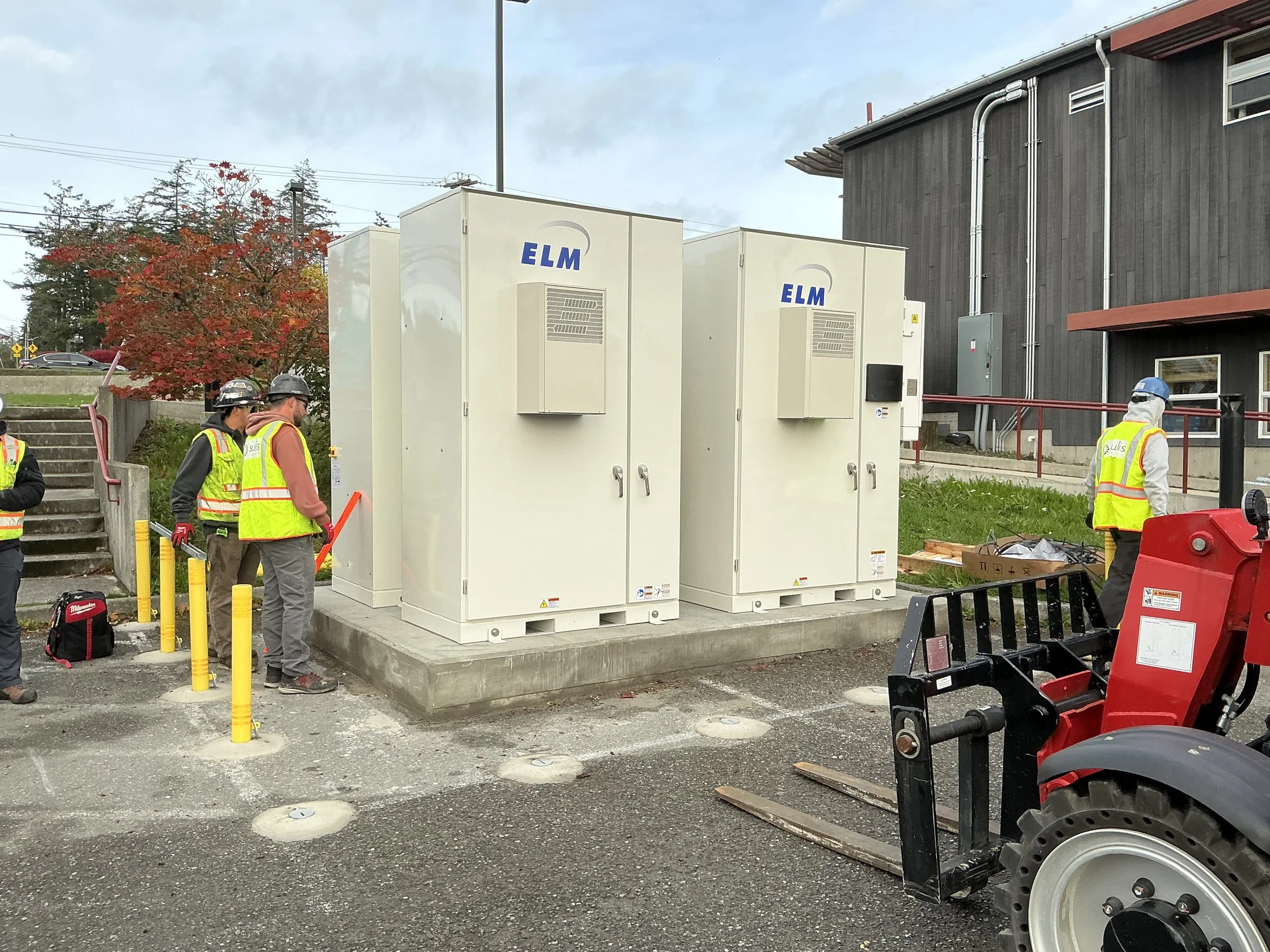
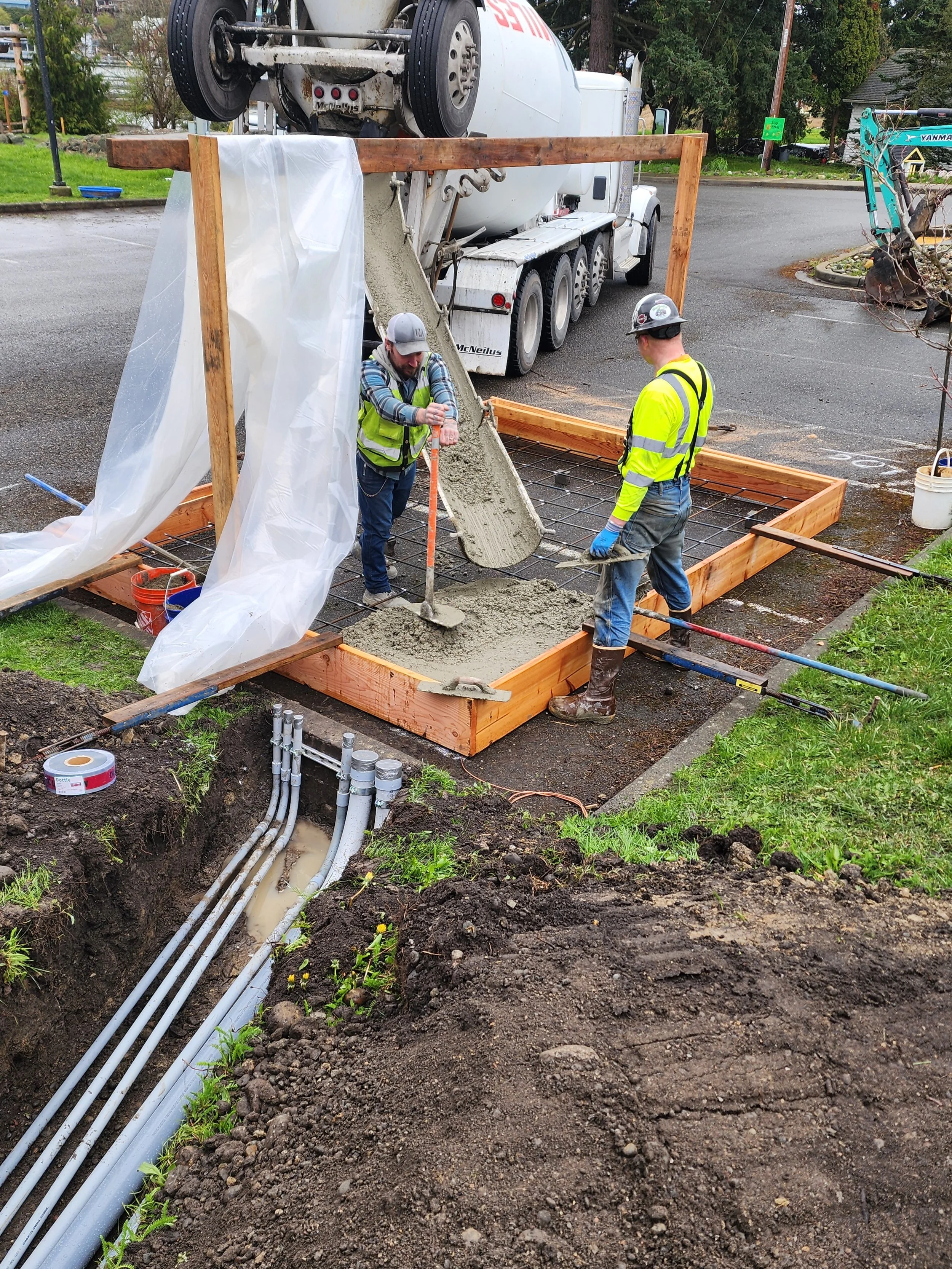
The reservation experiences strong winter storms that damage distribution lines and can leave the community without power for long stretches. Both of these buildings do more than one job for the Tribe, which is part of what makes them so critical during an outage: one houses the police department alongside social services, the other houses the senior center alongside the dental clinic. Each now carries its own microgrid, sized to run the building through an outage; both feature solar and batteries, and the Police Station microgrid is augmented by an existing standby generator. Sulis Energy is currently constructing a third microgrid for the Swinomish Tribe at the Medical Clinic.
Challenges
These two sites are part of a three-microgrid portfolio for the Swinomish Tribe, delivered concurrently under one coordination structure alongside the Medical Clinic. As some of the first microgrids installed in Puget Sound Energy (PSE) territory, the interconnection process required significant stakeholder and design work to meet the utility’s system protection needs without compromising the microgrid's intended operation.
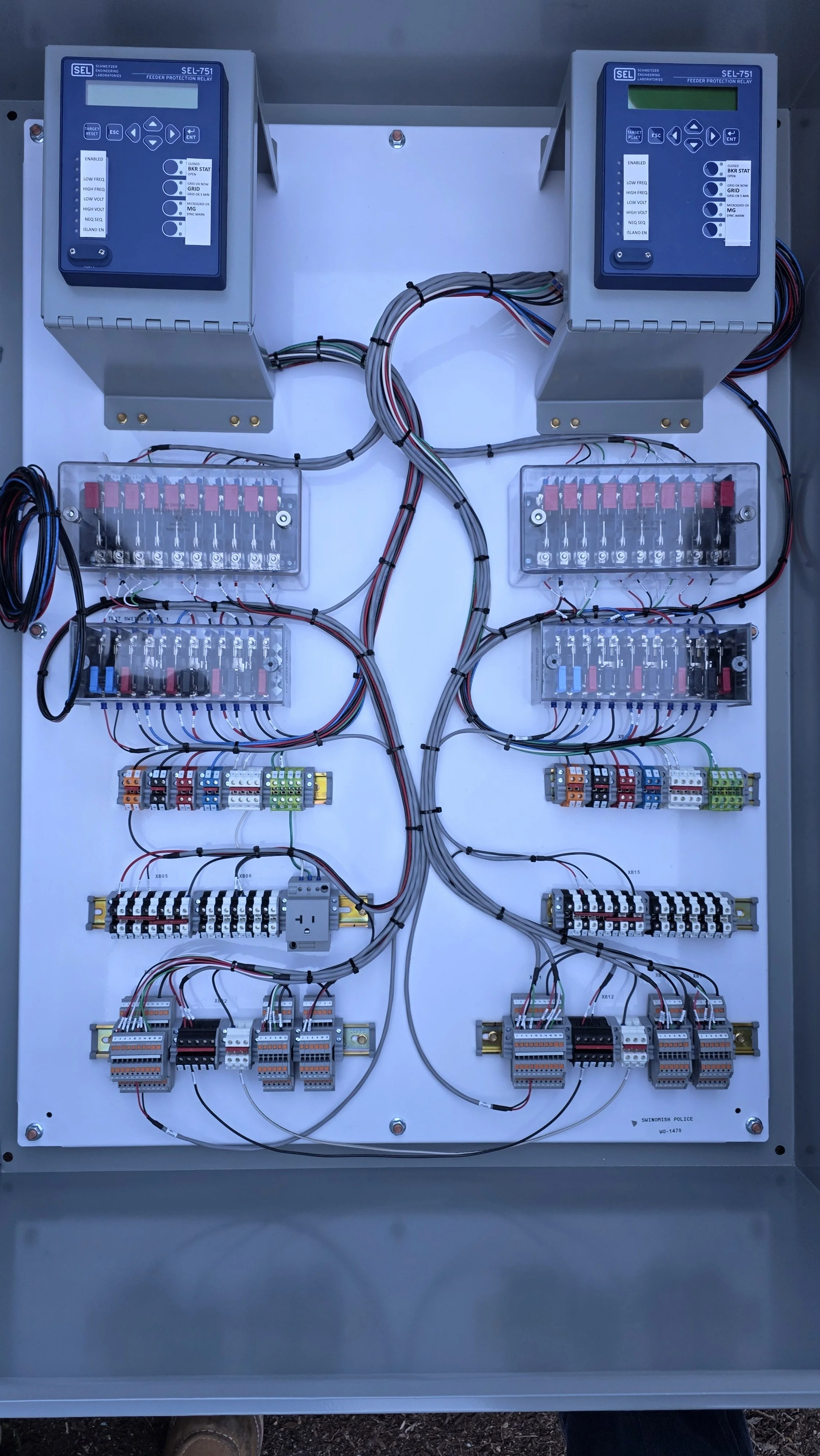
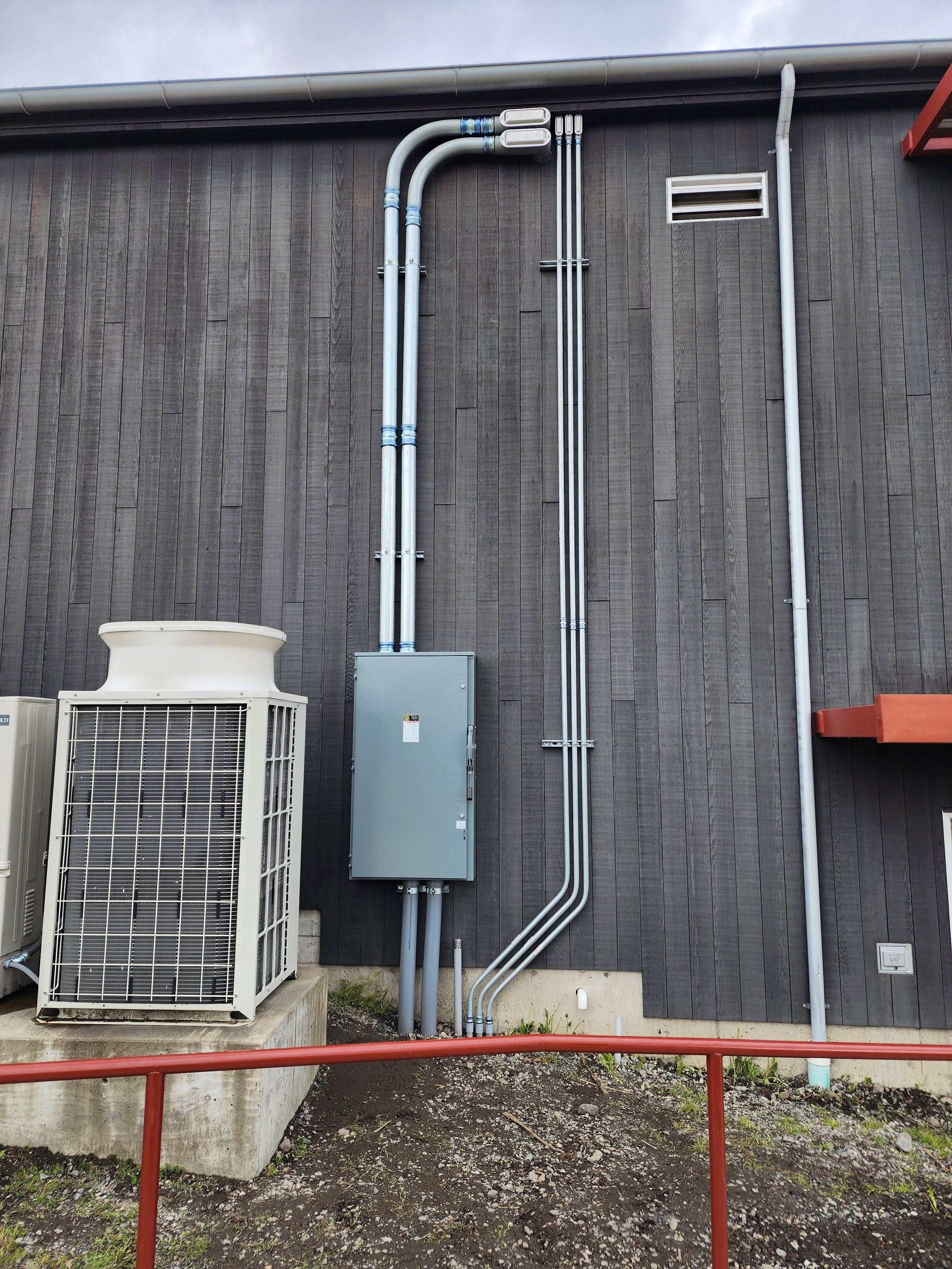
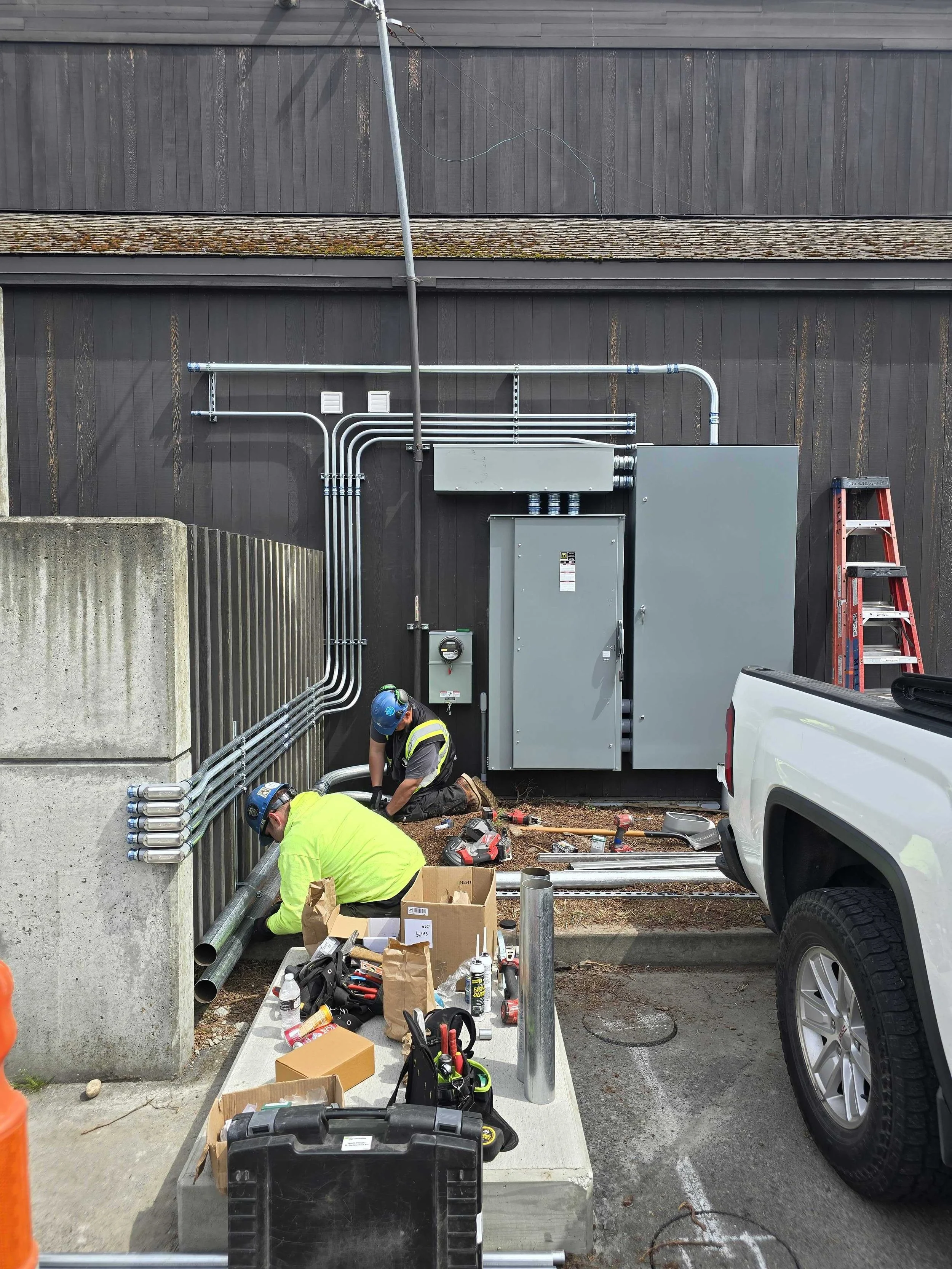
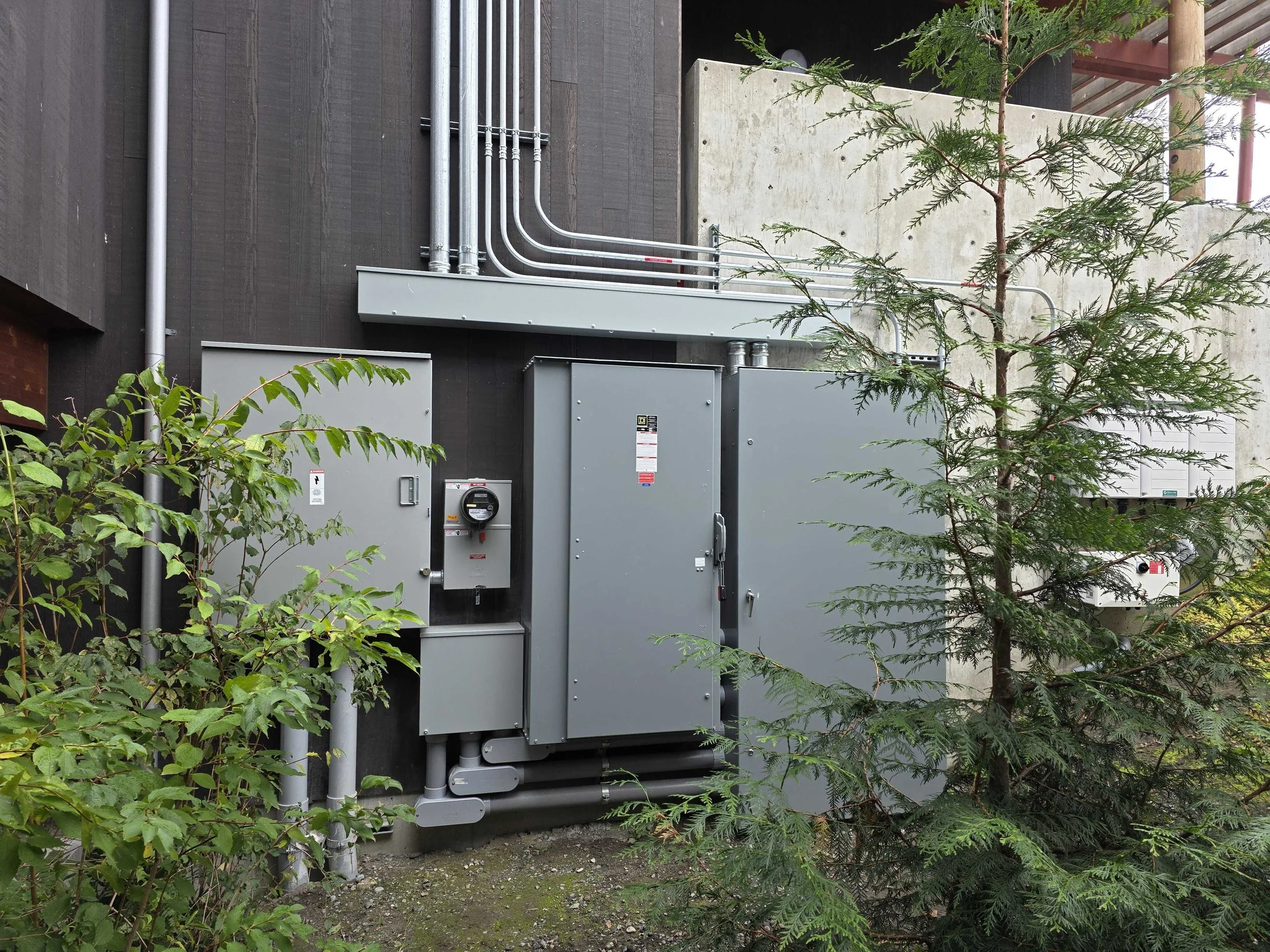
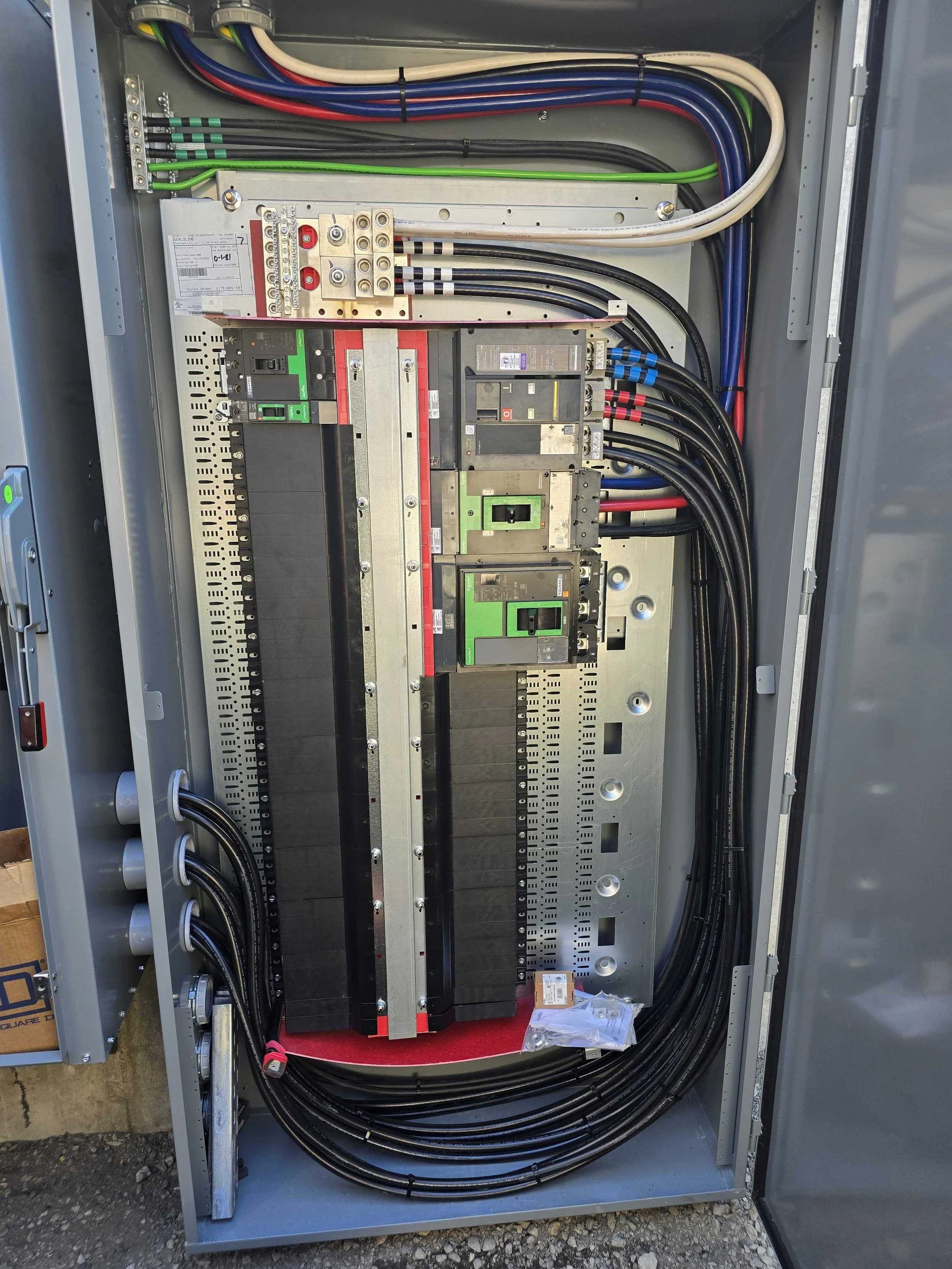
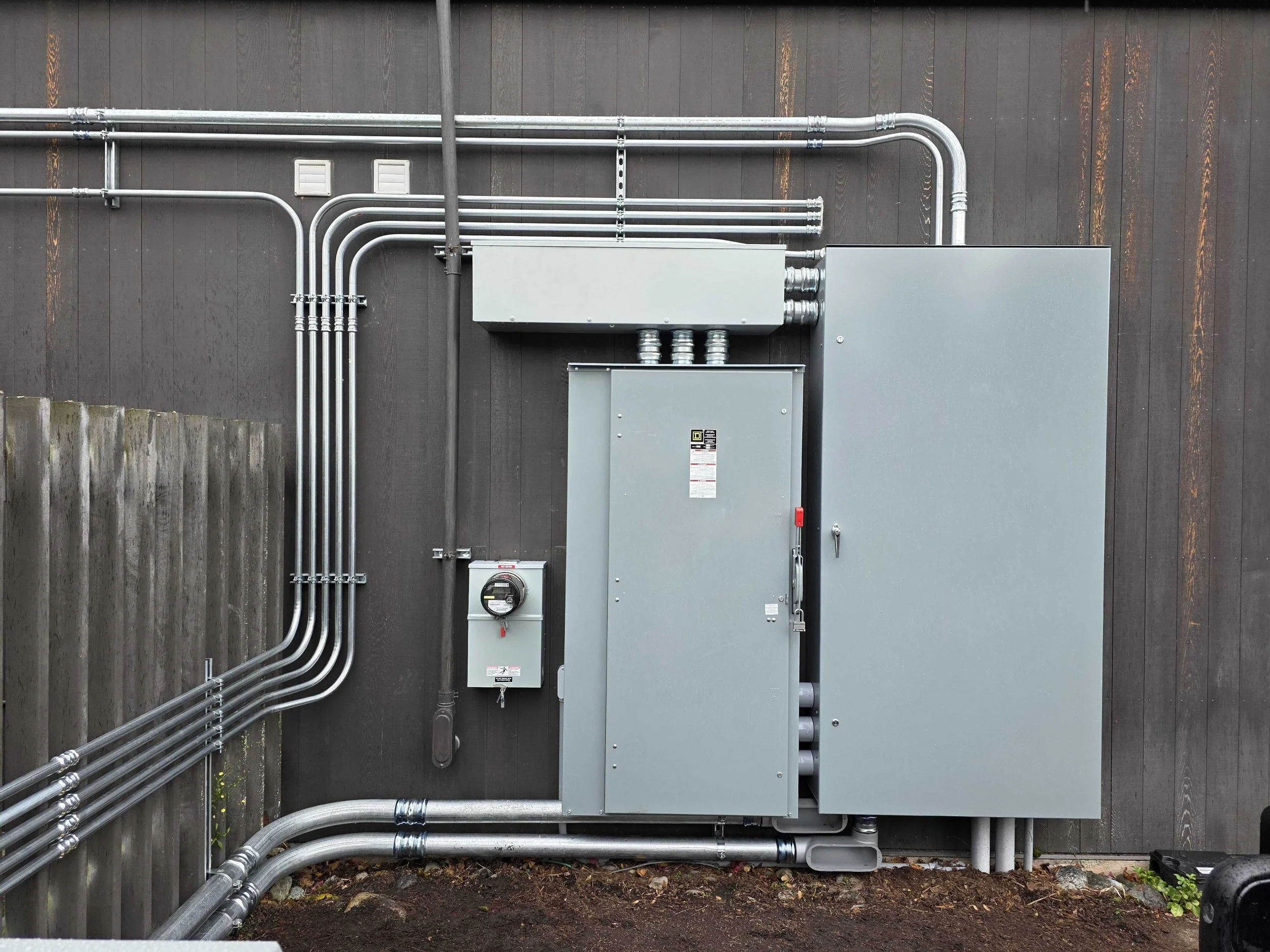
Each site is a retrofit onto a building already in service, so the microgrid had to be built around what was there. At both, the main breaker in the existing distribution panel was replaced with a motorized 800 A breaker serving as the microgrid isolation device, with an SEL-751 relay handling grid-failure detection, islanding, and reconnection, and a neutral contactor and isolation transformer establishing the grounding reference while islanded.
The Police Station added the harder problem: an existing 150 kVA generator with its own controller had to come under microgrid control, so the battery calls the generator when state of charge drops and the two carry the building's load together. The battery charges from solar or from the generator, never from the grid. The Tribe's microgrids sit along a short stretch of the same road and may eventually be interconnected, so each one is designed on the assumption it could someday be part of something larger.